Exterior trim helps finish the appearance of a home, but it also sits at many of the transitions where water must be kept out. Damage around windows, doors, roof edges, and other openings deserves more than a quick cosmetic touch-up.
Start with the existing conditions
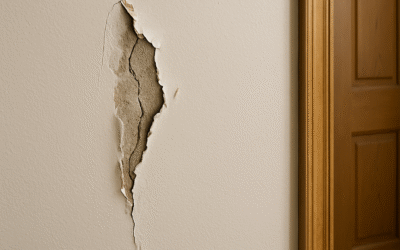
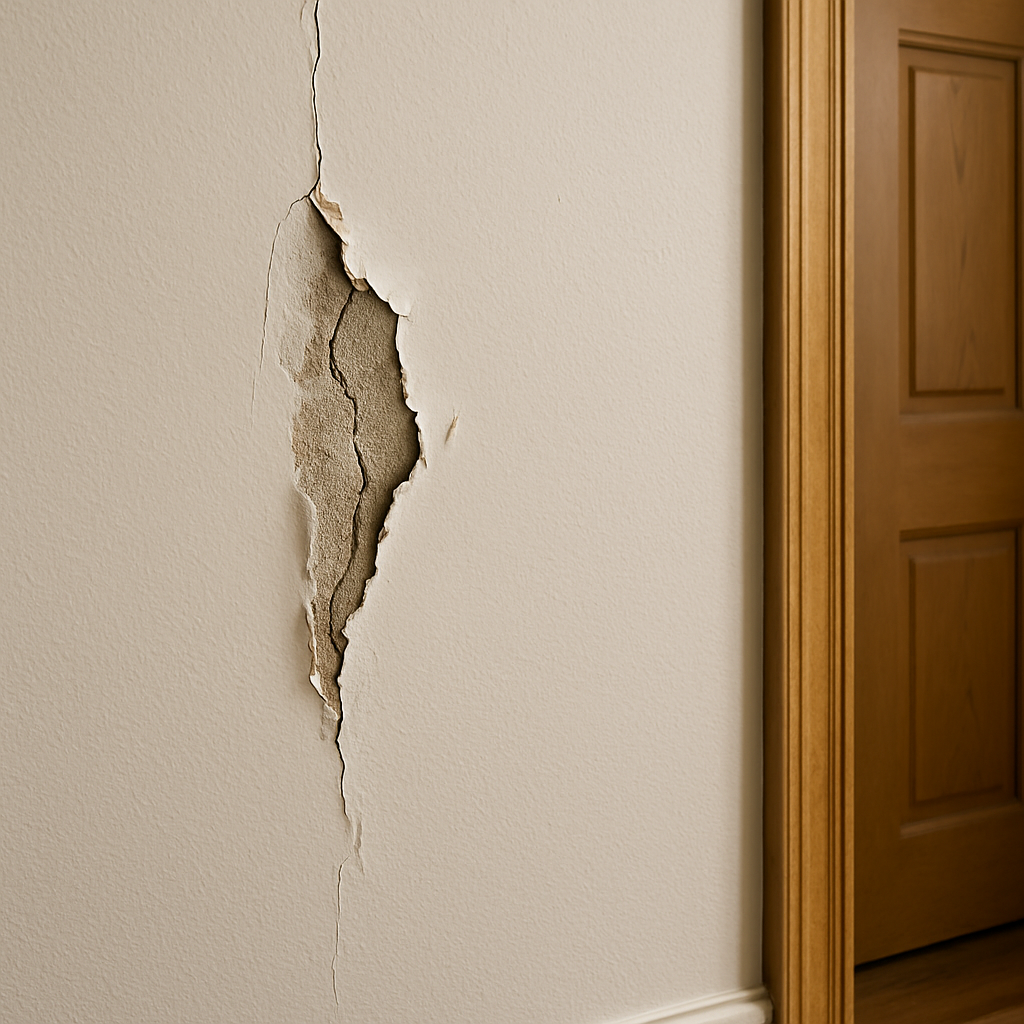
Peeling paint can occur for several reasons, but repeated failure in the same location may point to moisture exposure. Soft or deteriorated material is an even clearer sign that the area should be examined before it is simply painted again.
Think about everyday use
Open joints and failed caulk can allow water into places that are difficult to see. Replacing sealant may be part of the repair, but the joint design and surrounding materials should also be checked.
Coordinate the construction details
Damage sometimes extends behind the visible trim. Removing the affected material can reveal whether the underlying surface remains sound or whether a larger repair is needed.
Avoid solving only the visible problem
Proper replacement should also consider how water is directed away from the opening. Flashing, drip details, siding transitions, and other components may be involved depending on the location.
Bring the project together
Home repair is most useful when deteriorated exterior trim is treated as a clue to investigate, not merely a surface that needs fresh paint.
Homeowners in Belleville and the Metro-East considering home repair can use these planning points to make more informed decisions before construction begins. Loughman Builders & Remodelers also provides a project portfolio showing previous work and a contact page for discussing a specific project.