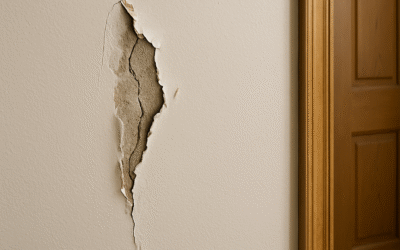

Drywall is one of the most visible surfaces in a home, so cracks, holes, stains, and failed patches tend to stand out quickly. The repair itself may be simple, but a lasting result starts with understanding what caused the damage.
Start with the existing conditions
An impact hole is different from a crack that repeatedly returns. A water stain is different from ordinary scuffing. Before patching, the surrounding area should be checked for signs that the damage is still active.
Think about everyday use
Good drywall repair also depends on the size and location of the damaged area. Small holes may need a basic patch, while larger areas can require new backing, replacement board, tape, compound, and careful blending into the surrounding wall.
Coordinate the construction details
Texture and finish matter because a structurally sound patch can still look obvious under normal room lighting. Feathering the repair over a wide enough area and matching the existing surface helps keep the finished wall from looking lumpy or recessed.
Avoid solving only the visible problem
Paint should be the final step, not the repair itself. Stains and cracks that are simply painted over often return. The wall needs to be stable, dry, smooth, and properly prepared first.
Bring the project together
Home repair work is most effective when the visible damage and its underlying cause are handled together.
Homeowners in Belleville and the Metro-East considering home repair can use these planning points to make more informed decisions before construction begins. Loughman Builders & Remodelers also provides a project portfolio showing previous work and a contact page for discussing a specific project.