Dry finishes should come after water questions
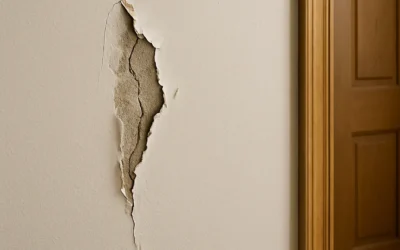
A finished basement can add useful living space, but drywall and flooring should not become the method for hiding a water history. Before walls are closed, look for evidence of seepage, staining, damp odors, efflorescence, previous patches, or areas where belongings have been kept off the floor. Ask how the basement behaved during heavy rain, not just how it looks on a dry afternoon. Understanding that history helps determine whether water management needs attention before finish materials are installed.
Know where water is expected to go
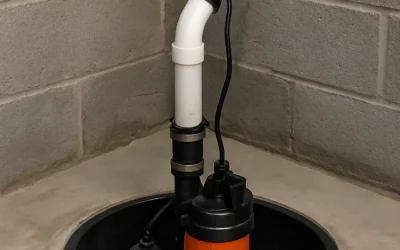
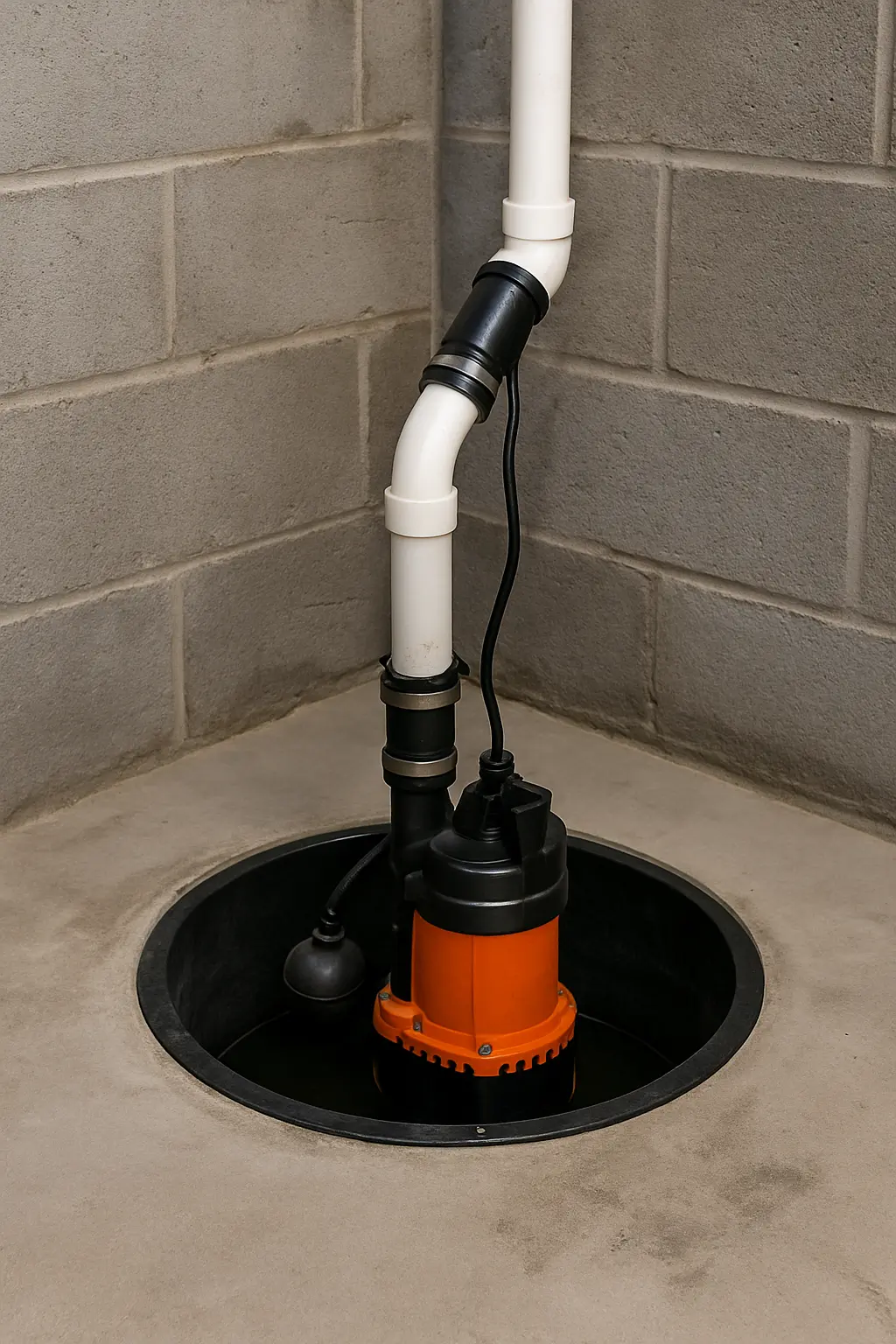
Basement water management is a system. Exterior drainage, foundation conditions, interior drainage components, and a sump pump may all play a role depending on the house. The useful question is what path water takes when conditions are wet. If a sump system is present, homeowners should know where the pit is, where discharge goes, and whether the system has been operating normally. Loughman provides pump and drainage services for homeowners evaluating these issues.
Pay attention to changes in pump behavior
A pump that suddenly runs more often, runs for much longer, cycles unusually, or makes different sounds deserves attention. The pump may be responding to wetter conditions, but a change can also signal a problem within the system. Do not wait until finished walls and stored furniture surround the equipment to decide access is inconvenient. Service space should remain practical after remodeling.
Do not build permanent finishes over important access
Basements contain shutoffs, cleanouts, mechanical equipment, pumps, and other items that may need future service. A polished room still needs to function as part of the house. The remodeling plan should preserve reasonable access instead of sealing important components behind finishes that must be destroyed for routine work. Access can often be incorporated neatly when it is planned from the beginning.
Flooring choices should reflect the location
Below-grade flooring is selected for more than appearance. Moisture history, comfort, cleaning, and the intended use of the room all matter. If there is an unresolved water problem, no finish material is a substitute for correcting it. Once water management is understood, flooring can be chosen as part of the larger basement finishing plan rather than as an isolated decorating decision.
Watch the relationship between outside and inside
Water showing up in a basement may be influenced by conditions outside the finished room. Gutters, downspout discharge, grading, and areas where water collects near the house can be relevant observations. Homeowners do not need to diagnose the entire system themselves, but noting when and where water appears gives a contractor better information than simply saying the basement sometimes feels damp.
Plan for maintenance after the remodel
Finishing a basement changes how the space is used. Storage may move, furniture may be added, and mechanical areas may become enclosed. Make sure routine inspection and maintenance are still possible. A sump lid should not disappear beneath stored boxes, and a service path should not depend on moving an entire room of furniture. Practical access protects the investment in the finished space.
Solve the unglamorous part first
Drainage is not the part of a basement remodel that appears in decorating photos, but it can be one of the most important planning conversations. Addressing known water concerns before finishes go in reduces the chance that new work will need to be opened later. For basement or drainage work in Belleville and the Metro-East, review Loughman’s services and contact Loughman Builders & Remodelers to discuss the conditions in your home.