
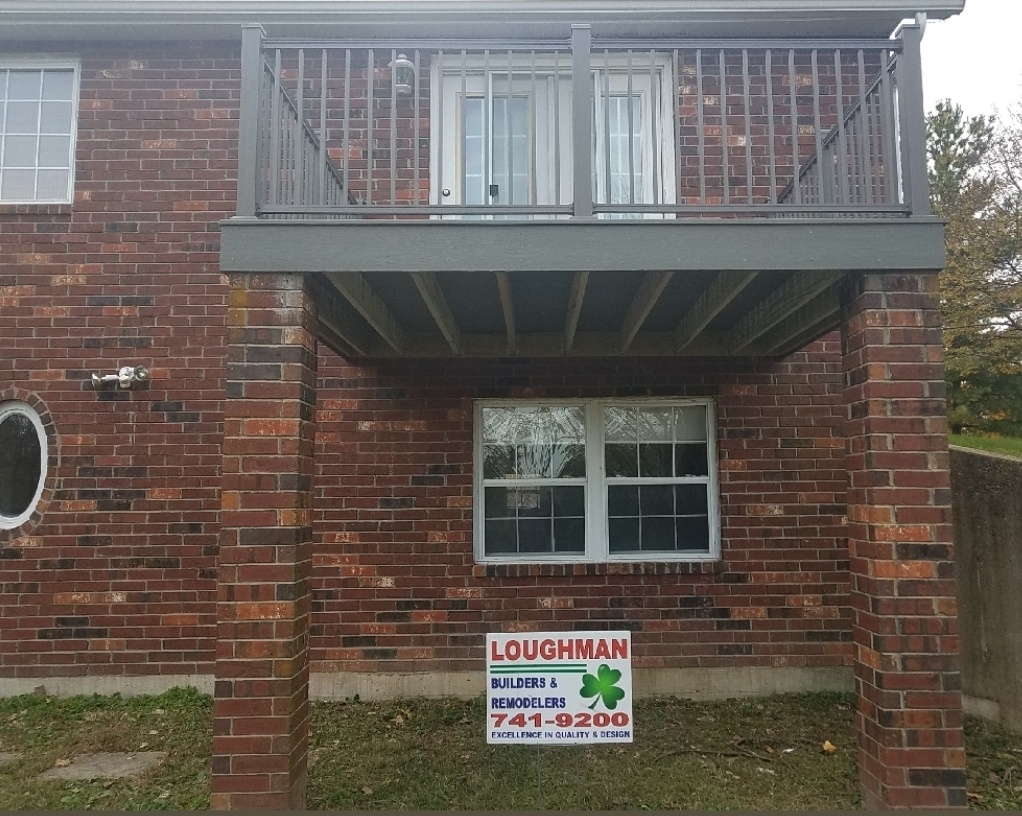
The railing is one of the most visible parts of a deck
Homeowners often spend most of the early planning time on deck size and surface material, then treat the railing as a final accessory. In practice, railing runs around the edge of the space and appears in almost every view from both the deck and the yard. Its posts, top rail, infill, and finish can make a deck feel open, enclosed, traditional, or contemporary. That makes railing a design and use decision as much as a safety component.
Think about the view from a seated position
A railing that looks open while standing may interrupt the view when people sit at a table or lounge chair. Before selecting a style, consider what you want to see from the places where people will actually spend time. The view back toward the house matters too. A heavy railing can visually dominate a smaller deck. During deck and patio planning, sight lines should be considered along with the overall shape and traffic pattern.
Posts affect furniture placement
Railing posts create a rhythm around the perimeter, but they can also influence where furniture fits. A post located beside a dining chair or directly in a preferred view may become more noticeable than expected. Gates and stair openings add more fixed points. Planning furniture zones before finalizing those locations helps the finished deck support the activities it was built for.
Maintenance expectations should be realistic
Different railing materials and finishes have different cleaning and maintenance needs. The right choice depends partly on how much ongoing care the homeowner is willing to perform and how the railing relates to the deck surface. A low-maintenance surface paired with a railing that requires frequent refinishing may not match the original goal. Ask how components weather, how they are cleaned, and what future touchups are likely to involve.
Color changes how substantial the railing feels
Dark, light, and natural finishes can change the visual weight of the perimeter. Contrast can make posts and rails stand out; a related tone can make them feel more integrated with the deck or house. Look at samples outdoors when possible because sunlight changes how colors and textures read. The house siding, trim, doors, and nearby hardscape all provide context for the selection.
Stairs deserve equal attention
Deck stairs are not just a route to the yard. Their position affects circulation, furniture zones, and how people approach the outdoor space. Railing continues through that transition, so the stair design should look and feel connected to the main deck. Lighting, landings, and the condition of the area where the stairs meet the yard should be considered early rather than after the main platform is complete.
Existing decks need evaluation before cosmetic upgrades
If the project involves an older deck, new railing should not be used to distract from questionable framing, loose connections, deteriorated boards, or other underlying concerns. The existing structure needs to be evaluated as part of the project. Sometimes the visible wish list changes after the condition of the deck is understood. Loughman’s home repair services may also be relevant when exterior deterioration extends beyond the deck itself.
Make the perimeter part of the whole design
A well-planned railing supports safety while complementing how the deck looks and functions. Consider views, furniture, stairs, maintenance, and the house before settling on a style. Browse the project portfolio for examples of outdoor work, or contact Loughman Builders & Remodelers about a deck project in the Belleville and Metro-East area.