
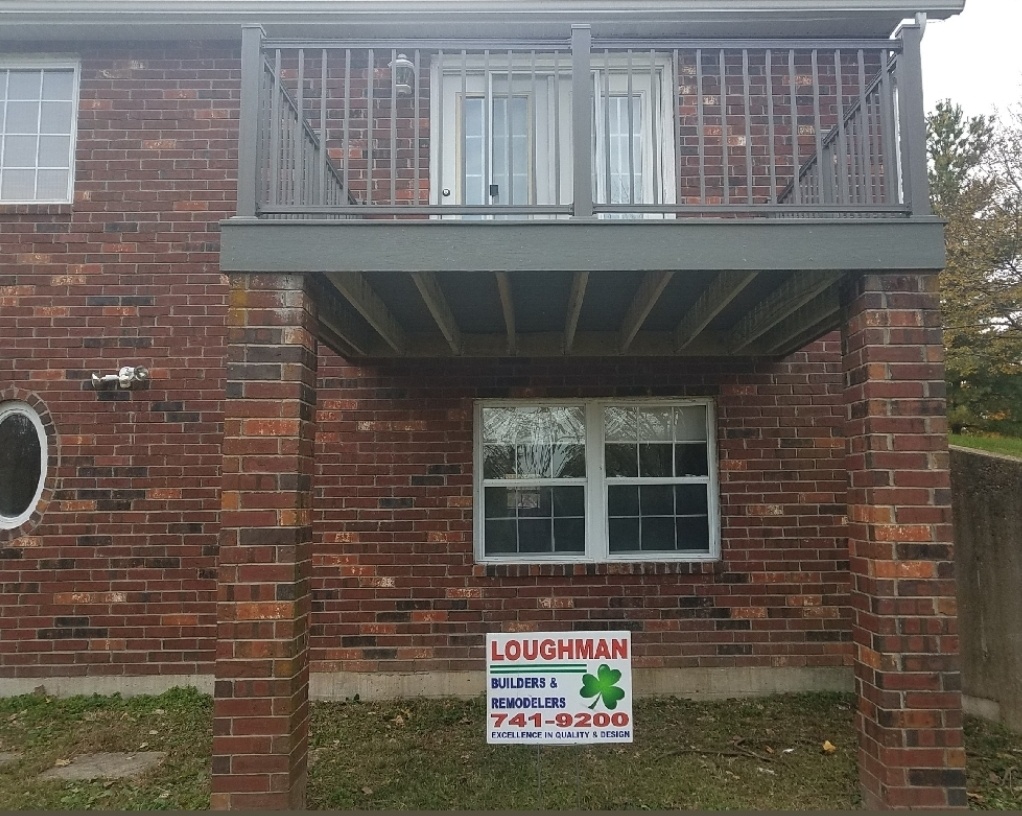
A railing is one of the most visible parts of an elevated deck. It frames the entire space, appears in nearly every view from the yard, and affects how people move around furniture and stairs. Treating it as a last-minute accessory can make an otherwise well-planned deck feel unfinished.
Think about the view from both sides
Homeowners naturally look outward from the deck, but the railing is also a major exterior feature when the house is viewed from the yard. Post spacing, lines, stairs, and material choices should relate to the house as well as the deck surface.
Coordinate stairs early
Stair openings interrupt the perimeter and concentrate several details in one place. Railing posts, handrails, landings, and deck-board edges all meet there. Planning them together during deck and patio work helps the stairs look integrated rather than cut into a finished railing later.
Furniture needs breathing room
A railing defines the usable edge of the deck. Large seating groups, grills, and dining tables should be sketched into the plan so circulation does not become cramped. The location of gates or stairs can also affect where furniture naturally belongs.
Material combinations should be deliberate
Decking and railing do not have to be identical, but their colors and visual weight should work together. A strong contrast can be attractive when intentional. Too many unrelated finishes can make a small deck look busy.
Maintenance is part of the decision
Exterior materials are exposed to sun, rain, temperature changes, and everyday use. Consider how the railing will be cleaned and maintained along with the deck surface.
Browse Loughman’s project portfolio for examples of outdoor work. For a deck project in Belleville or the Metro-East, contact Loughman Builders & Remodelers.