
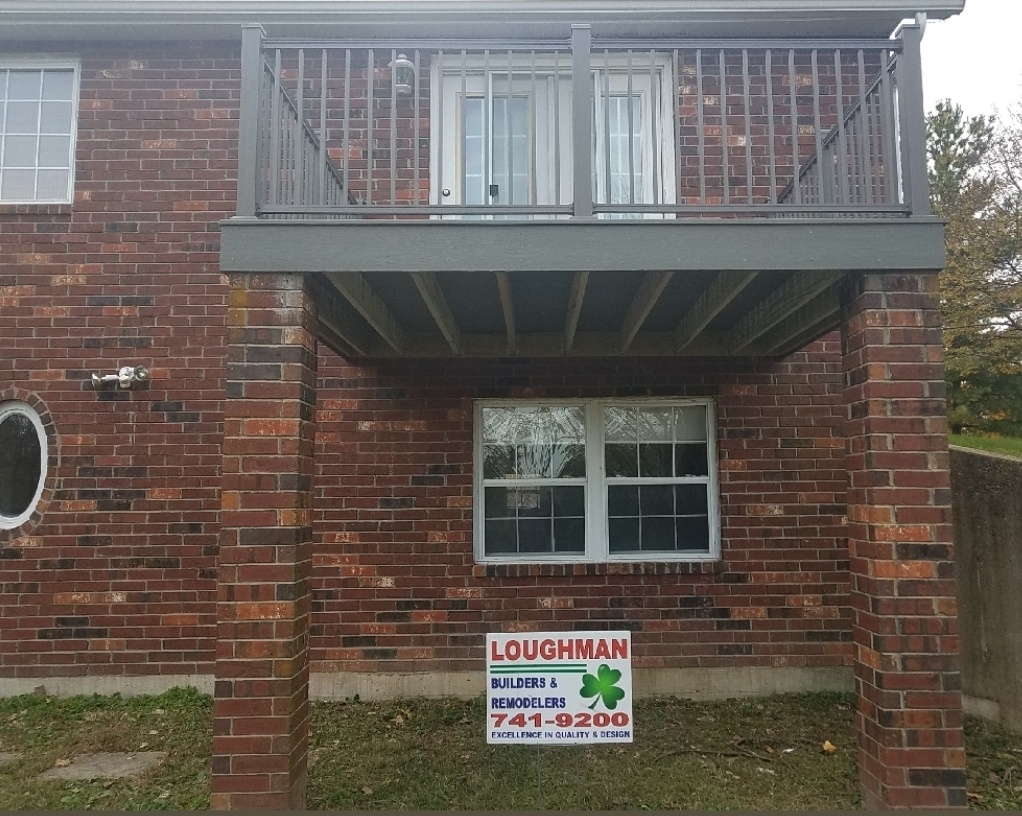
When homeowners begin planning a deck, the first question is often size. Square footage matters, but it does not tell you whether the finished deck will actually be comfortable. A large deck can still feel awkward if the door opens into furniture, the grill blocks the stairs, or the best seating area spends every summer afternoon in direct sun.
Good deck planning starts with how people will move and what they will do outside. That means thinking about the relationship between the house, yard, furniture, shade, and access before settling on dimensions.
Start at the Door From the House
The most-used door establishes the main traffic path. Imagine someone carrying food, drinks, or supplies outside. Where do they naturally walk? That route should not cut directly through the primary seating area if the layout can avoid it.
If the door swings outward, include its movement in the plan. If several doors connect to the deck, consider which one serves cooking, entertaining, or everyday yard access. Loughman Builders & Remodelers handles patio and deck projects with these practical relationships in mind.
Measure the Furniture, Not Just the Deck
A dining table needs more space than the tabletop itself. Chairs must slide back, and people need room to walk behind them. Lounge furniture also needs circulation space. Before deciding that a certain deck size is enough, lay out the approximate furniture dimensions and walking paths.
This exercise often changes priorities. A homeowner may discover that one clearly defined dining area and one comfortable seating area work better than trying to fit several smaller furniture groups into the same footprint.
Think About Sun at the Time You Will Use the Deck
A deck that is pleasant at 9 a.m. may be very different at 5 p.m. Watch how sun and shade move across the back of the house during the hours when the family is most likely to be outside. Existing trees, roof lines, and neighboring structures can all affect comfort.
Shade planning can influence where seating and dining areas belong. It may also affect decisions about future covers or other features. Understanding the exposure before construction is much easier than trying to solve an uncomfortable layout afterward.
Give the Grill a Working Area
Grilling needs more than a place to park the grill. The cook needs room to stand, open lids or doors, set down food, and move safely without blocking everyone else. The location should also make sense in relation to the kitchen door and main seating area.
Keeping the cooking zone out of the primary traffic path helps the deck function better during gatherings. It also prevents chairs and serving areas from constantly being moved to make room.
Plan the Route to the Yard
Stairs are not only a construction detail. They determine how the deck connects to the rest of the property. Think about where people are going when they leave the deck: a driveway, garden, play area, shed, or another patio. Stairs placed only where they are easiest to build may create an awkward route across the yard.
For homes with frequent backyard activity, this connection can be just as important as the door from the house.
Railings Affect the View and Furniture Layout
Railings provide necessary boundaries where required, but they are also a major visual element. Consider the view from inside the house as well as from the deck. Furniture placed against a railing may change how open the space feels, while railing posts can influence where seating naturally fits.
Style should coordinate with the house rather than feeling like an unrelated attachment. Looking at Loughman’s completed project portfolio can help homeowners compare different outdoor project ideas.
Do Not Forget Storage and Everyday Clutter
Outdoor cushions, grilling tools, toys, hoses, and garden supplies have a way of collecting around a deck. Decide whether some of those items need dedicated storage nearby. A deck designed only for the day it is photographed may not stay comfortable once everyday belongings arrive.
Simple planning can keep frequently used items convenient without letting them take over the seating area.
Consider Maintenance When Choosing Materials
Appearance is important, but homeowners should also understand the maintenance expectations of the materials they select. Cleaning, refinishing, staining, and long-term exposure to weather all affect how an outdoor surface ages.
There is no single material choice that is best for every homeowner. The right decision depends on desired appearance, maintenance tolerance, budget priorities, and how heavily the deck will be used.
Build for the Way You Spend Time Outside
A deck should make it easier to step outside and use the yard. When doors, furniture, shade, cooking, stairs, railings, and storage are considered together, the finished space is more likely to feel like a real extension of the home.
Loughman offers a range of remodeling and construction services for Belleville and the surrounding Metro-East. If a new or updated deck is part of your plan, contact Loughman Builders & Remodelers to discuss how the space should work before deciding how large it should be.