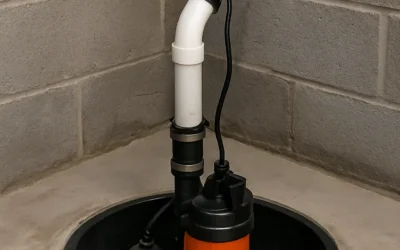
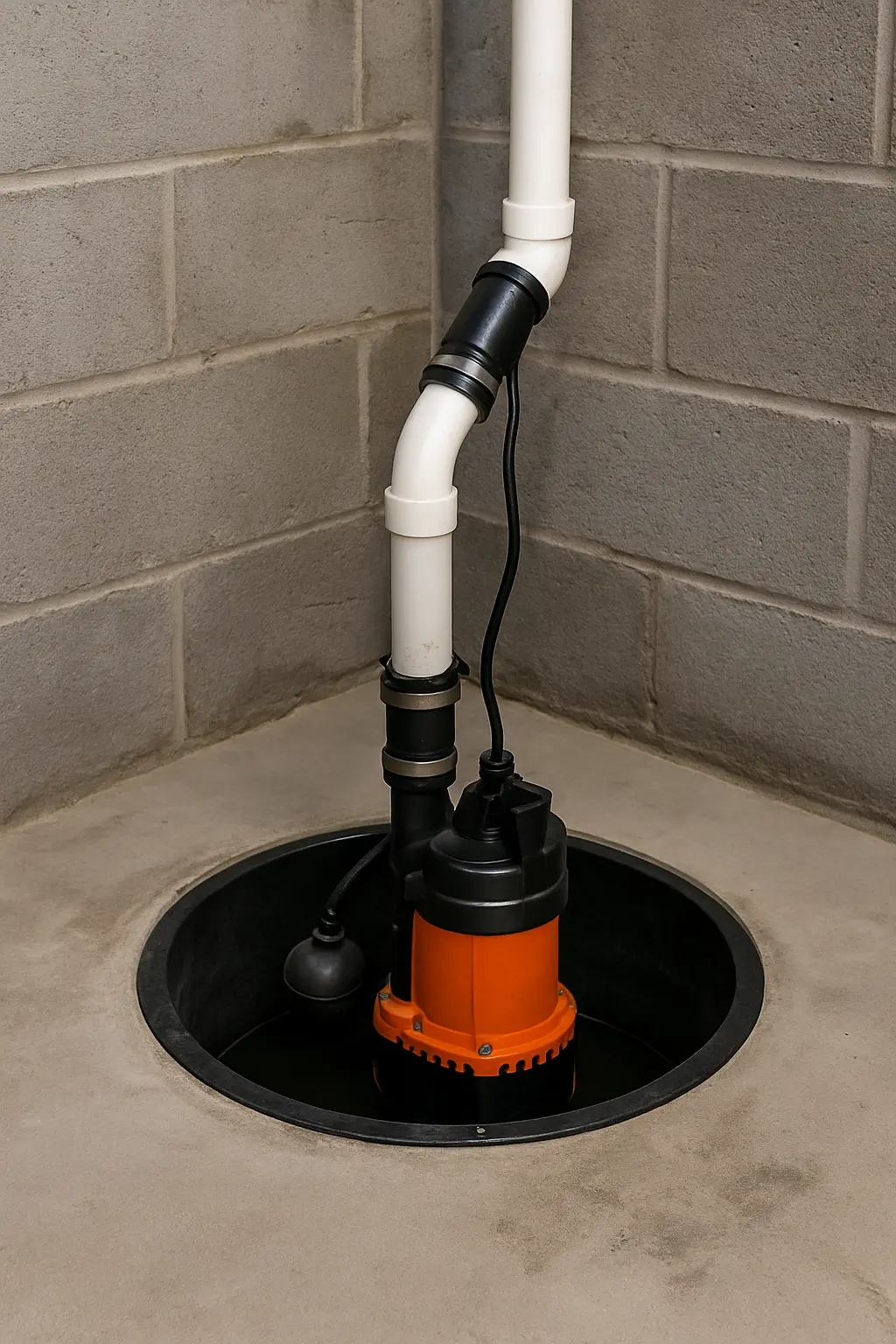
A sump pump is easy to ignore when it quietly does its job. That changes when homeowners begin hearing it run much more often than they remember. Frequent cycling does not automatically mean the pump is failing, but a change in behavior is worth paying attention to because the pump is responding to water entering the sump system.
The useful question is not simply “Is the pump running?” It is “What changed?” Weather, groundwater, exterior drainage, discharge conditions, and the pump itself can all influence how often the system operates.
Compare the Change With Recent Weather
Start with the obvious context. A period of heavy or repeated rain can increase the amount of water reaching a sump pit. In that situation, more frequent operation may be exactly what the system is supposed to do.
What deserves closer attention is a pump that continues cycling heavily after conditions have dried out, or one that behaves very differently from previous storms of similar intensity. Homeowners do not need to diagnose the cause themselves, but noting the pattern can provide useful information.
Loughman Builders & Remodelers provides pump and drainage services for basement water-management concerns in Belleville and the Metro-East.
Look at Where the Discharge Water Goes
A sump system needs to move water away from the basement. If discharge water ends up too close to the foundation or flows back toward the house, the system may end up handling some of the same water again.
Walk outside while conditions are safe and observe the general discharge area. Has landscaping changed? Is soil directing water back toward the home? Has an extension moved or become damaged? The goal is not to make unverified changes to the system, but to notice whether water is being carried away as intended.
Pay Attention to Short, Repeated Cycling
A pump that turns on, stops, and starts again very quickly may be experiencing a different condition from a pump that runs for a normal period during heavy water entry. Short cycling can increase wear and may indicate that water level, switch behavior, discharge, or another part of the setup needs inspection.
Listen for changes in sound as well. Grinding, rattling, unusual vibration, or a motor that sounds strained are reasons to have the equipment checked rather than waiting for a storm to test it.
Do Not Ignore Water That Appears Outside the Pit
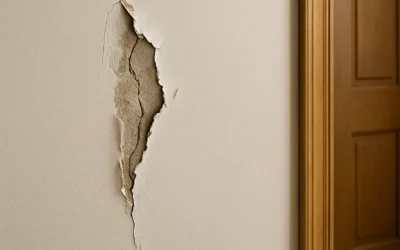
The sump pit is only one part of basement water management. Damp walls, floor-edge seepage, staining, musty odors, or water appearing in a different area can indicate that the existing system is not addressing the entire problem.
If a basement is finished or being considered for finishing, this becomes especially important. Loughman’s basement finishing services should begin with a space that is ready for finished materials, not one where active moisture is being covered up.
Exterior Drainage Still Matters
Sump pumps handle water that reaches the system, but exterior water management can influence how much work the pump has to do. Gutters, downspout discharge, grading, and drainage paths around the house all affect where rainwater travels.
A blocked gutter or changed drainage path may seem unrelated to a basement pump, yet directing more water toward the foundation can increase the load below grade. Looking at the property as a complete water-management system is more useful than treating the pump as an isolated appliance.
Know Whether You Have Backup Protection
Frequent pump operation is a reminder that the basement may depend heavily on that equipment during severe weather. Homeowners should know what happens if electrical power is lost or the primary pump cannot operate. The appropriate backup approach depends on the existing system and home, but it is a conversation worth having before a storm rather than during one.
Also make sure household members know where the sump pit is and what normal operation sounds like. A noticeable change is easier to recognize when someone is familiar with the usual pattern.
Keep the Area Accessible
Do not bury the sump area behind stored belongings or make it difficult to inspect. Access matters when maintenance or repair is needed. In a finished basement, the system should remain serviceable even though the surrounding space looks complete.
This is one reason water-management planning should happen before a basement layout is finalized. Mechanical access and finished living space need to coexist.
Document What You Notice
If the pump behavior seems unusual, write down when it happens. Note recent rainfall, how frequently the pump cycles, whether water is visible elsewhere, and whether the discharge area appears normal. A short video or audio recording of an unusual sound can also be useful when describing the issue.
Those observations are more helpful than waiting until the system stops completely and trying to remember when the change began.
Frequent Operation Is Information
A sump pump running often is telling you that water is reaching the system. Sometimes the explanation is simply a very wet stretch of weather. Other times the change points to drainage, discharge, equipment, or groundwater conditions that deserve attention.
You can review Loughman’s project portfolio for examples of repair and remodeling work. If your sump system has changed behavior or basement water is becoming a concern, contact Loughman Builders & Remodelers before the next major storm puts the system under greater demand.