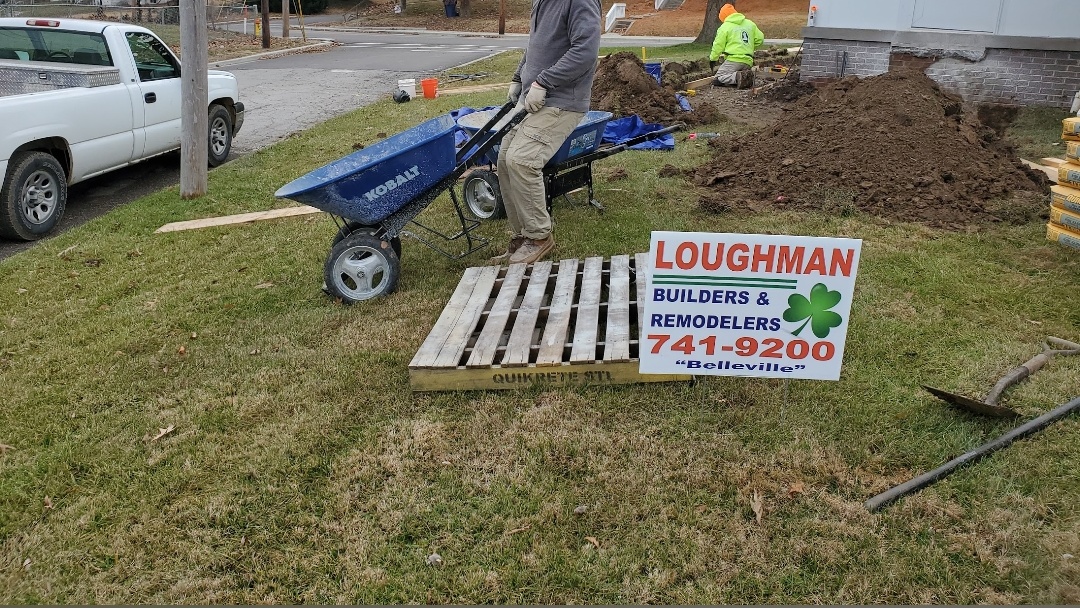
Concrete sidewalks can take a lot of abuse before homeowners think seriously about replacing them. Small cracks may remain little more than an appearance issue for years. The situation changes when slabs begin shifting, breaking into multiple pieces, sinking, or creating uneven walking surfaces.
At that point, another patch may make the concrete look better temporarily without correcting the condition that is causing the problem.
Know the Difference Between a Crack and a Failed Section
A narrow crack in otherwise stable concrete is not the same thing as a slab that has moved out of position. When one section is noticeably higher or lower than the next, the problem affects how people actually walk across the surface.
Broken corners, wide separations, crumbling edges, and several cracks crossing the same slab can also indicate that the section has reached the point where replacement deserves serious consideration.
Tear-Out Gives Access to What Is Under the Slab
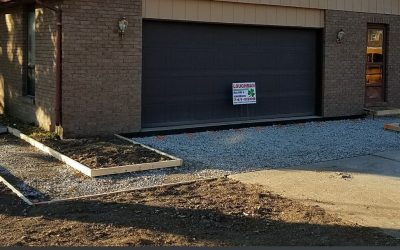
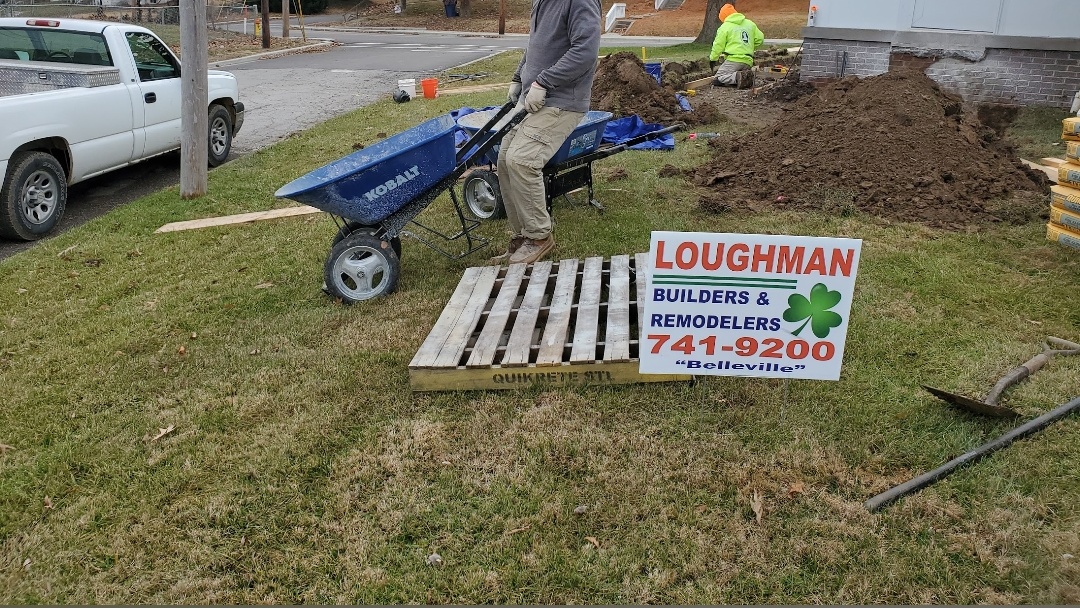
Removing the damaged concrete exposes the base below it. That matters because settlement and movement often involve conditions underneath the visible surface.
A replacement project gives the contractor an opportunity to prepare the area before new concrete is placed instead of simply covering the old damage.
Loughman Builders & Remodelers handles home repair and improvement work throughout Belleville and the surrounding Metro-East, including exterior projects where safe access and drainage are part of the problem.
Water Can Make Concrete Problems Worse
Low spots that hold water deserve attention. Repeated wetting, freezing, thawing, and movement can continue to stress exterior concrete over time.
When a sidewalk is replaced, the finished elevation should make sense with the surrounding grade, driveway, porch, steps, and entry route. New concrete should not solve one problem by directing water toward another part of the property.
The Transition Between Old and New Concrete Matters
Replacing one failed slab may be enough when the surrounding sections are stable. In other situations, extending the replacement one section farther can create a better transition and reduce an abrupt height difference.
The condition of the neighboring concrete should be part of the decision about where tear-out begins and ends.
Sidewalk Problems Can Become Access Problems
Uneven walkways are inconvenient for anyone, but they become more significant for older adults, children, visitors carrying items, or anyone using a walker, cane, or wheelchair.
The entire route from the driveway or street to the door should feel stable and predictable. Sidewalk repair is therefore not only a curb-appeal project. It is part of how the property works every day.
Do Not Keep Patching a Problem That Is Moving
Patching is useful when it fits the condition. It becomes frustrating when the slab continues to shift and every repair eventually cracks or separates again.
When movement is widespread, tear-out and replacement may provide a cleaner way to reset the damaged section and restore a more consistent walking surface.
Exterior Repairs Still Deserve Good Planning
Sidewalk work may be smaller than a kitchen remodel or room addition, but preparation, drainage, transitions, and finish still matter. The fact that a project is outside does not make workmanship less important.
See examples of completed work in the Loughman Builders & Remodelers portfolio or review the company’s full service offerings.
If the sidewalk around your home is badly cracked, shifted, or breaking apart, contact Loughman Builders & Remodelers to discuss whether repair or replacement makes the most sense.