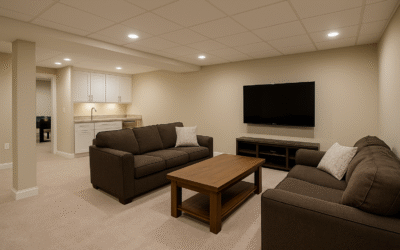
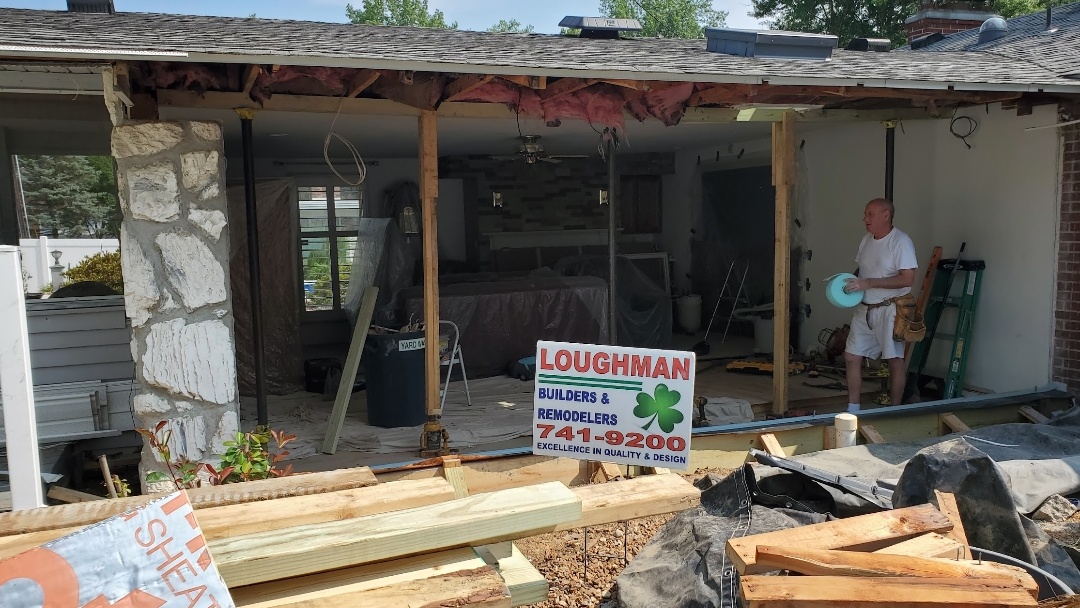
Demolition should follow a plan
Tearing out a room can feel like progress, but demolition is not the design phase. Before materials come down, identify which walls, trim, flooring, doors, built-ins, and other features are staying. That boundary keeps the project focused.
Keep features that still serve the home
Older homes often contain solid materials or details that contribute to the character of the interior. During interior remodeling, preserving useful existing work can help new improvements feel connected to the house.
Separate worn from merely dated
A finish can look old-fashioned and still be sound. Another surface may look acceptable while hiding damage or poor previous work. Evaluate condition and function separately from style before deciding what belongs on the removal list.
Look at transitions before removing them
Doorways, flooring changes, trim intersections, and ceiling lines are where remodeled areas meet untouched rooms. Keeping or replacing a feature can change those transitions. Planning them early reduces awkward patches later.
Know what walls contain
Walls may contain plumbing, wiring, ductwork, or structural elements. A desire for a more open layout should be evaluated against what the wall actually does rather than assuming every partition can disappear easily.
Reuse requires protection
If a door, trim piece, fixture, or other component will be reused, it needs to be removed and stored with that goal in mind. Reuse is not automatic just because an item survives demolition.
Make the scope understandable
A clear keep/remove plan helps everyone understand the intended result and limits surprises. It also makes finish selections easier because the new materials have known neighbors to coordinate with.
Change what improves the home
Good remodeling is not measured by how much material goes into a dumpster. It is measured by how well the finished space works. Review Loughman’s project portfolio and contact Loughman Builders & Remodelers for interior remodeling in Belleville and the Metro-East.