A repair can be technically sound and still look wrong
In an older home, the surrounding work sets the standard. A patch may be strong, dry, and secure, yet stand out because its texture is smoother, its trim profile is different, or its thickness changes the plane of the wall. That is why good repair planning starts with observing what is already there instead of immediately buying the closest modern replacement. The goal is not to make an old house pretend to be new. It is to solve the problem while respecting the materials, proportions, and visual rhythm that make the existing room feel consistent.
Color is only one part of a match
Homeowners naturally notice color first, but color is often the easiest part to adjust. Surface sheen, grain, edge shape, joint spacing, and texture can be more difficult to disguise. Two white trim boards can look unrelated if one has a different profile. Two painted wall patches can flash under side lighting if one surface is smoother. Before a home repair begins, compare the damaged area from several angles and under normal room lighting. Those observations help determine whether the repair should be blended, extended to a natural break, or paired with a larger finish update.
Thickness and dimensions matter
Older plaster, drywall assemblies, flooring, and woodwork do not always match the dimensions of products commonly sold today. A small difference in thickness can create a ridge that becomes obvious after painting or flooring is installed. Trim widths can also vary enough to make a short replacement piece look patched in. Measuring the existing material carefully gives the repair a better starting point and can reveal why a previous quick fix never looked quite right.
Find the cause before improving the appearance
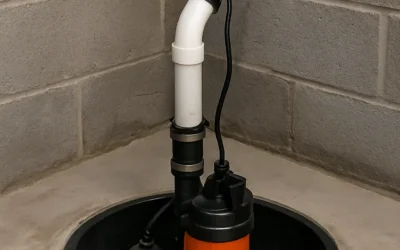
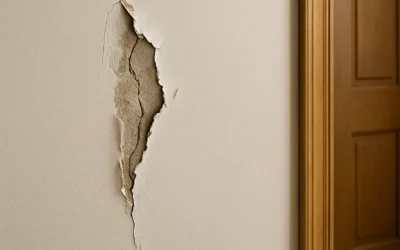
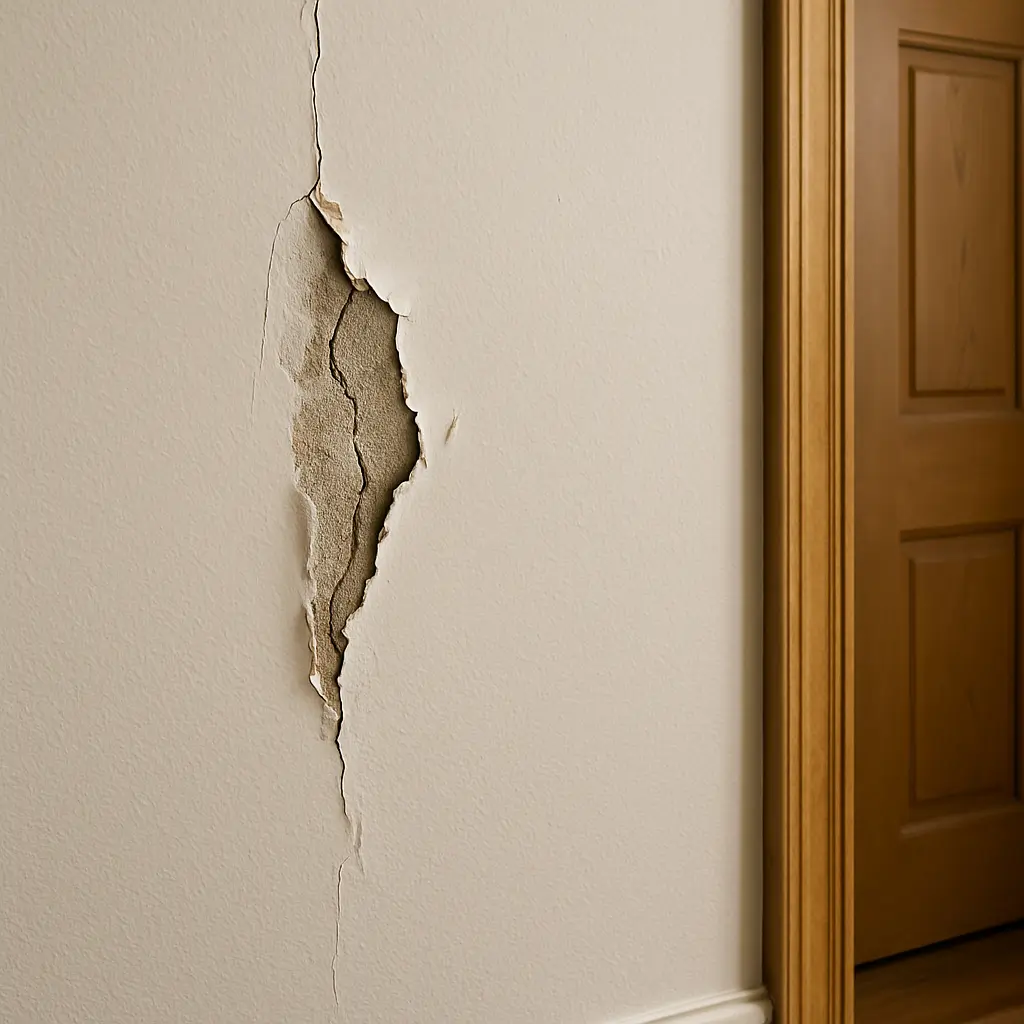
A stain, crack, soft area, loose board, or damaged piece of trim may be the visible result of another problem. Moisture, movement, impact, or an earlier alteration can all leave cosmetic damage behind. Covering the symptom first risks doing the finish work twice. If water is involved, for example, the source and the affected materials need attention before a new surface is treated as the final repair. Loughman also provides pump and drainage services when basement water management is part of the problem.
Use natural stopping points
Sometimes an invisible spot repair is unrealistic. In that case, the cleanest result often comes from extending work to a corner, doorway, trim break, full board, or other natural stopping point. This is especially useful when paint sheen has aged, flooring has changed color over time, or a texture is difficult to reproduce in a tiny area. A slightly larger repair can actually look less intrusive because the transition happens where the eye expects it.
Preserve what is still doing its job
Matching an older home does not mean replacing every adjacent material. Sound existing work can often stay. The planning question is how much must be disturbed to make the repair secure and visually coherent. Keeping good material in place can preserve character and reduce unnecessary disruption, while selective replacement can correct the damaged portion. That balance is one reason repair work benefits from being evaluated in person rather than diagnosed from a close-up photograph alone.
Think about future maintenance
A repair should also leave the area understandable for the next person who works on it. Access panels should remain accessible, plumbing shutoffs should not disappear behind permanent finishes, and unusual materials should not be buried without considering future service. If a repair introduces a new paint, flooring product, or trim profile, keeping the product information can make later touchups easier.
A good repair belongs in the room
The best repair is not necessarily the one with the newest material. It is the one that solves the underlying problem and settles back into the house without calling attention to itself. You can review Loughman Builders & Remodelers’ project portfolio to see examples of work across different parts of the home. For repair needs in Belleville and the Metro-East, contact Loughman Builders & Remodelers to discuss what is damaged and what surrounds it.