Homeowners get used to small problems. A door rubs the frame, a crack reappears after it is patched, a piece of trim pulls loose, or one section of floor feels different underfoot. Many of these issues really are minor. The important question is whether the visible problem is the entire problem or only the symptom that is easiest to see.
Good home repair starts by asking why something failed. Replacing damaged material without understanding the cause can create a repair that looks fine for a few months and then returns. That is especially true when water, movement, or hidden deterioration is involved.
A Recurring Crack Deserves More Attention Than a New One
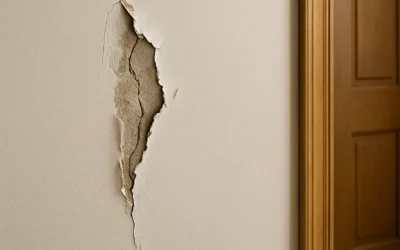
Drywall and plaster can crack for ordinary reasons, including normal movement and previous workmanship. A crack that is patched and stays closed may not be especially concerning. A crack that repeatedly opens, grows, or appears with other changes deserves a closer look.
Notice whether nearby doors or windows have also begun sticking, whether trim joints are separating, or whether the floor has changed. The goal is not to assume the worst. It is to avoid treating a pattern of movement as a paint-and-patch problem.
Loughman Builders & Remodelers provides home repair services for homeowners who need more than a temporary cosmetic fix.
Soft or Swollen Material Often Means Water Has Been Involved
Soft wood, swollen trim, bubbling paint, stained drywall, or flooring that changes shape can indicate moisture. The source may be obvious, such as a past plumbing leak, but it can also come from exterior water entry, failed seals, or drainage problems.
Drying and replacing the damaged surface is only part of the job. If the source remains active, new material can fail the same way. Before closing an area back up, determine where the moisture came from and whether surrounding material has also been affected.
A Sticking Door Can Be a Door Problem—or a Movement Problem
Hinges loosen. Wood changes slightly with humidity. Doors can sag over time. Those are common repair issues. But a door that suddenly begins sticking, especially along with wall cracks or floor changes, can be useful evidence that something else has shifted.
Look at the gap around the door. Has it changed on one side? Does the latch no longer line up? Are multiple doors in the same area behaving differently? A repair should address the actual condition rather than simply trimming the door until it closes.
Exterior Gaps Let Small Problems Travel Indoors
Loose trim, failed caulk, damaged siding details, and openings around penetrations can allow water into places that are difficult to inspect. By the time staining appears inside, the exterior issue may have been present for a while.
Regularly walking around the house and looking at transitions is useful. Pay attention where different materials meet, around windows and doors, and anywhere water is directed from the roof. A small exterior repair is usually easier to handle before repeated wetting damages sheathing, framing, or interior finishes.
Floor Changes Should Be Investigated Before Covering Them
A squeak is often just a squeak, but a soft spot, noticeable dip, or area that feels unstable should not automatically be covered with new flooring. The finish floor may be hiding a subfloor issue, moisture damage, or another condition that needs repair first.
This matters during remodeling too. Installing an attractive new surface over a weak or uneven base does not correct the underlying problem. The finished floor can only perform as well as what supports it.
Water Management Can Affect Repairs Far From the Leak
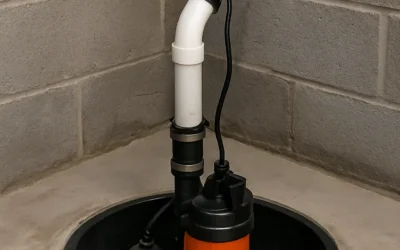
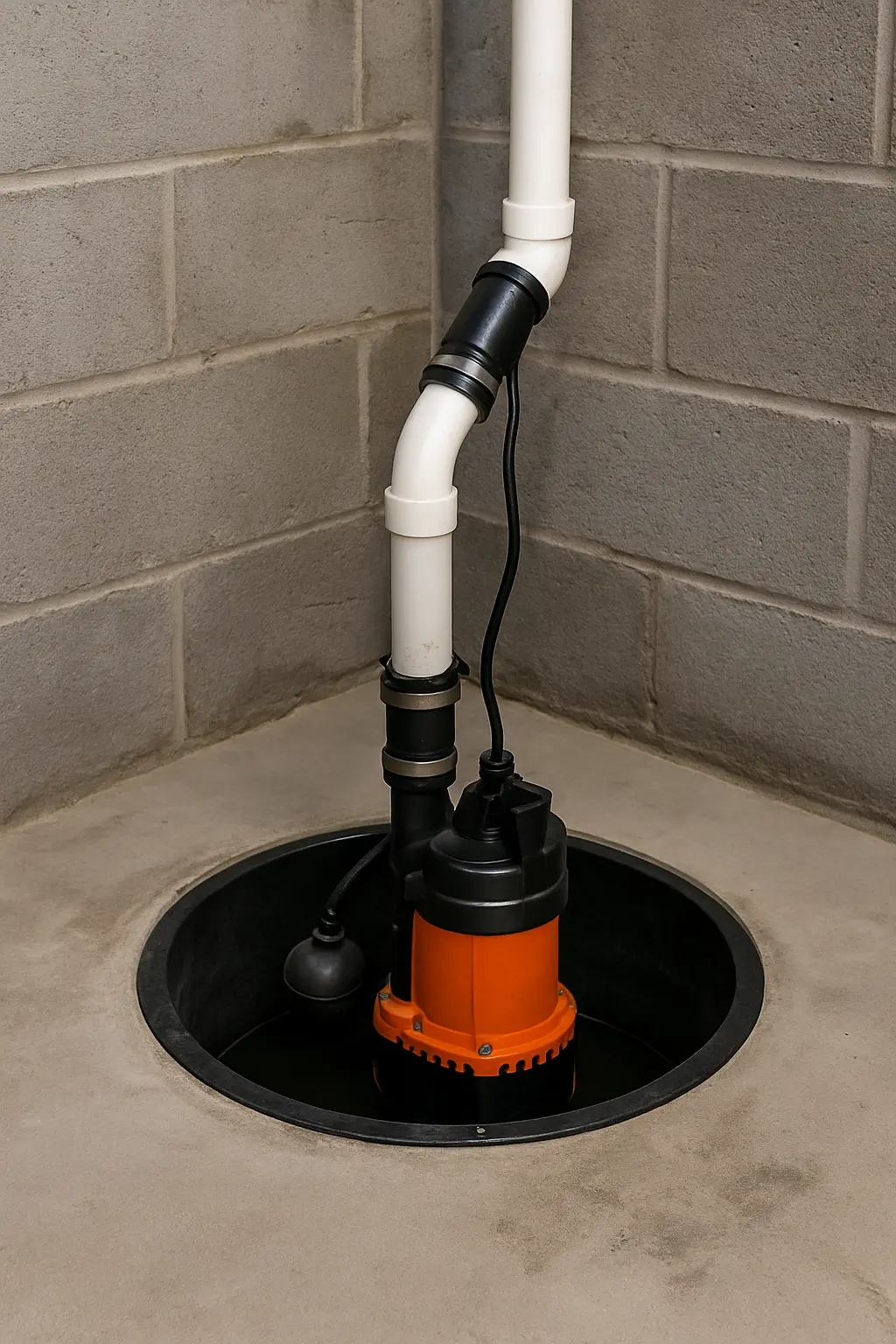
Heavy rain and drainage issues can create problems in basements, lower walls, and other parts of a home. If repairs repeatedly involve damp areas, staining, or water entry, it may be worth looking at the larger water-management picture rather than treating each damaged surface separately.
Loughman also provides pump and drainage services when basement water control or related drainage work is part of the problem.
Older Repairs Can Hide Useful Clues
When a wall, floor, or trim area has obviously been repaired before, do not assume the previous repair solved the cause. Different paint texture, extra layers of caulk, mismatched flooring, or repeated patches can show where a homeowner has been fighting the same issue.
Those clues are valuable during an inspection. They can help narrow down when the problem occurs and whether it is seasonal, related to rain, or connected to movement in one part of the house.
Know When a Repair Has Become a Remodeling Decision
Sometimes opening an area for repair reveals that adjacent finishes are worn, inaccessible, or difficult to match. At that point, homeowners may choose to expand the work rather than patch one isolated section. That does not mean every repair needs to become a major renovation. It means the decision should be made after the actual condition is known.
If a repair connects to a larger update, Loughman’s remodeling services cover multiple areas of the home.
Fix the Cause Before You Fix the Appearance
The most useful question in home repair is often “Why did this happen?” A good answer can prevent repeated work and help protect the surrounding materials. Cosmetic repair still matters, but it should be the final step after the cause has been addressed.
You can review examples in the project portfolio or contact Loughman Builders & Remodelers when a small problem in your Belleville-area home keeps coming back.