
A damaged sidewalk can make the front of a home look neglected, but appearance is not the biggest concern.
Uneven concrete can create a trip point. Broken edges can continue to deteriorate. Low sections can collect water. A poor transition near steps, a driveway, or an entry can make everyday access harder than it needs to be.
Not Every Crack Needs the Same Repair
A narrow surface crack is different from a slab that has dropped, heaved, or broken into several pieces. The cause matters.
Tree roots, settling, water movement, age, freeze-thaw cycles, and poor support beneath the slab can all affect concrete differently. A repair that works for one condition may be a waste of time for another.

When Tear-Out and Replacement Makes Sense
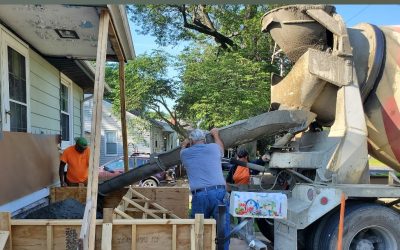
If a section of sidewalk is no longer stable, tear-out and replacement may provide a cleaner result than trying to patch the visible break.
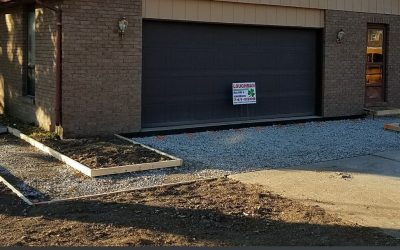
Replacement allows the damaged section to be removed completely. That creates an opportunity to prepare the base, correct the height, and improve the transition to nearby concrete.

Entry Walks Need to Feel Natural Underfoot
People use sidewalks without thinking about them until something feels wrong. A good walkway should make the transition from driveway or street to the home feel predictable and comfortable.
Loughman Builders & Remodelers handles practical home repair work throughout Belleville and the Metro-East, including exterior projects where damaged surfaces affect daily use of the property.
Drainage Still Matters
Concrete should not direct water toward the house or create new low spots beside an entry.
When replacing a sidewalk section, the finished slope and surrounding conditions need to be considered along with appearance. If the new concrete is placed at the wrong height, it can create a new drainage or transition problem even if the surface itself looks good.
Sidewalks Are Part of the Full Access Route
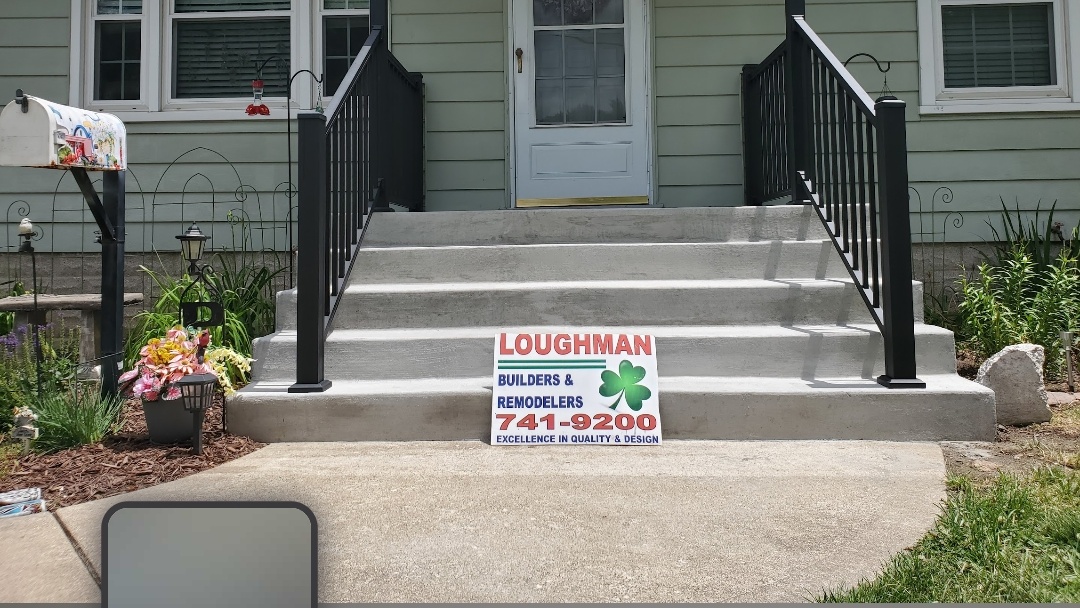
Walkways, steps, ramps, porches, and driveways all work together. A smooth sidewalk does not help much if it ends at an unsafe step or a broken driveway transition.
Homeowners should look at the entire path people use to enter the house, especially when older family members, children, mobility devices, or frequent visitors are involved.
Small Exterior Repairs Can Protect Larger Improvements
A broken sidewalk may seem minor compared with a room addition or kitchen remodel, but exterior maintenance affects how the whole property functions.
Water, settlement, and unsafe transitions are easier to address before they contribute to more damage.
Watch the Transitions Between Old and New Concrete
When only one sidewalk section is replaced, the new slab still has to meet the surrounding concrete cleanly. Differences in height can create the same type of trip hazard the project was supposed to remove.
That is why nearby sections should be considered when deciding where a replacement begins and ends. Sometimes replacing one additional panel creates a much better transition.
Exterior Concrete Is a Maintenance Issue Worth Watching Early
Small changes in height or minor edge damage are easier to address before a walkway becomes severely broken. Homeowners do not need to treat every crack as an emergency, but periodic inspection can help identify sections that are getting worse.
Pay particular attention near downspouts, steps, driveways, and areas where water regularly collects.
Repair the Route People Use Every Day
Sidewalks are not flashy construction, but they are used constantly. Sound concrete can improve safety, curb appeal, and the everyday experience of entering the home.
Take a look at completed Loughman projects or review the company’s full service offerings.
If a walkway is cracked, uneven, or breaking apart, contact Loughman Builders & Remodelers to discuss repair or replacement options in Belleville and the surrounding Metro-East.