Not every project needs to happen at once. Prioritizing remodeling work can help homeowners put money where it improves daily living, long-term durability, and resale value the most.
Older homes can be full of character, but many need smarter layouts, better lighting, and practical upgrades to support modern day living without losing what makes them appealing.
A first remodeling conversation usually goes better when homeowners know what to bring and what questions to ask. Good planning early helps shape scope, budget, and realistic next steps.
Property value is not only about large remodels. Consistent repair work helps prevent visible decline, keeps systems and finishes in better shape, and protects the home over time.
Safety upgrades do not have to make a bathroom feel clinical. Modern fixtures, layout choices, and finish details can improve comfort and confidence while keeping the room looking sharp.
A kitchen does not have to get bigger to work better. Better cabinet planning, drawer use, and storage placement can make the room easier to cook in and easier to keep organized.
Water damage does not always start with standing water. Smell, staining, peeling finishes, and recurring dampness can all be early warnings that a lower-level problem is building.
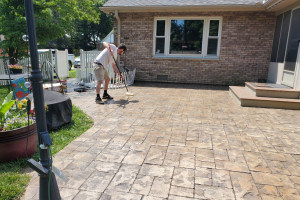
A better outdoor space is not just about adding square footage outside. Material choices affect upkeep, durability, comfort, and how the space looks season after season.
Older homes often come with good bones and a long list of decisions. Sometimes repair is the right move. Other times replacement gives better long-term value and fewer recurring issues.
A larger remodel goes smoother when homeowners set priorities early. Budgeting is not just about the bottom number. It is about scope, sequencing, materials, and where the biggest value is.
Accessibility improvements are not only about medical need. They can make a home safer, easier to use, and better prepared for long-term comfort without sacrificing appearance.
Opening up walls can change the feel of a home in a big way, but layout changes need more than good ideas. Structural planning and clean execution matter just as much as design.
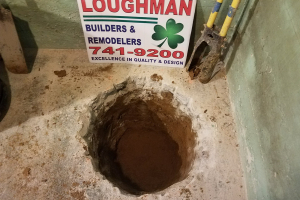
Water problems in lower levels do not usually fix themselves. Interior drainage and sump pump upgrades can help protect basements, finishes, and long-term property value.
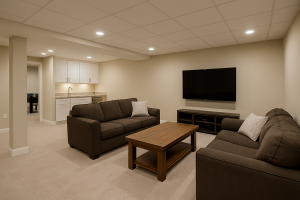
A finished basement can add useful square footage for family space, guests, hobbies, or work. Planning the layout and moisture protection early helps the finished space hold up over time.
Some repairs look minor at first but grow into bigger problems when they are ignored. Cracks, leaks, soft spots, and recurring damage are worth dealing with early.
Composite decking is popular for a reason. It offers a clean look with less upkeep, but good design and solid construction still make all the difference in the finished result.
Running out of space does not always mean you need a new address. A room addition can give a growing household more flexibility while keeping the location and home you already know.
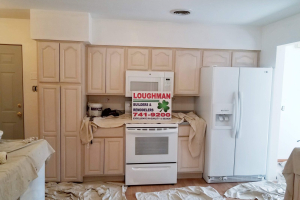
A good kitchen remodel is not just about looks. The best upgrades improve storage, movement, lighting, and how the room works day after day for cooking, cleanup, and gathering.
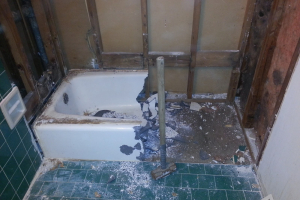
A bathroom that feels cramped, dated, or hard to use every day can be more than an eyesore. Here are common signs it may be time to plan a bathroom remodel and what to think about before getting started.