Fresh finishes cannot stabilize an active problem
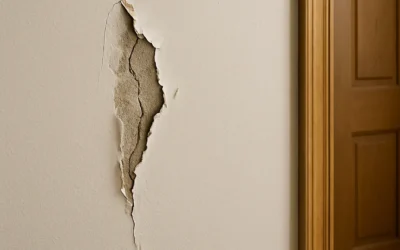
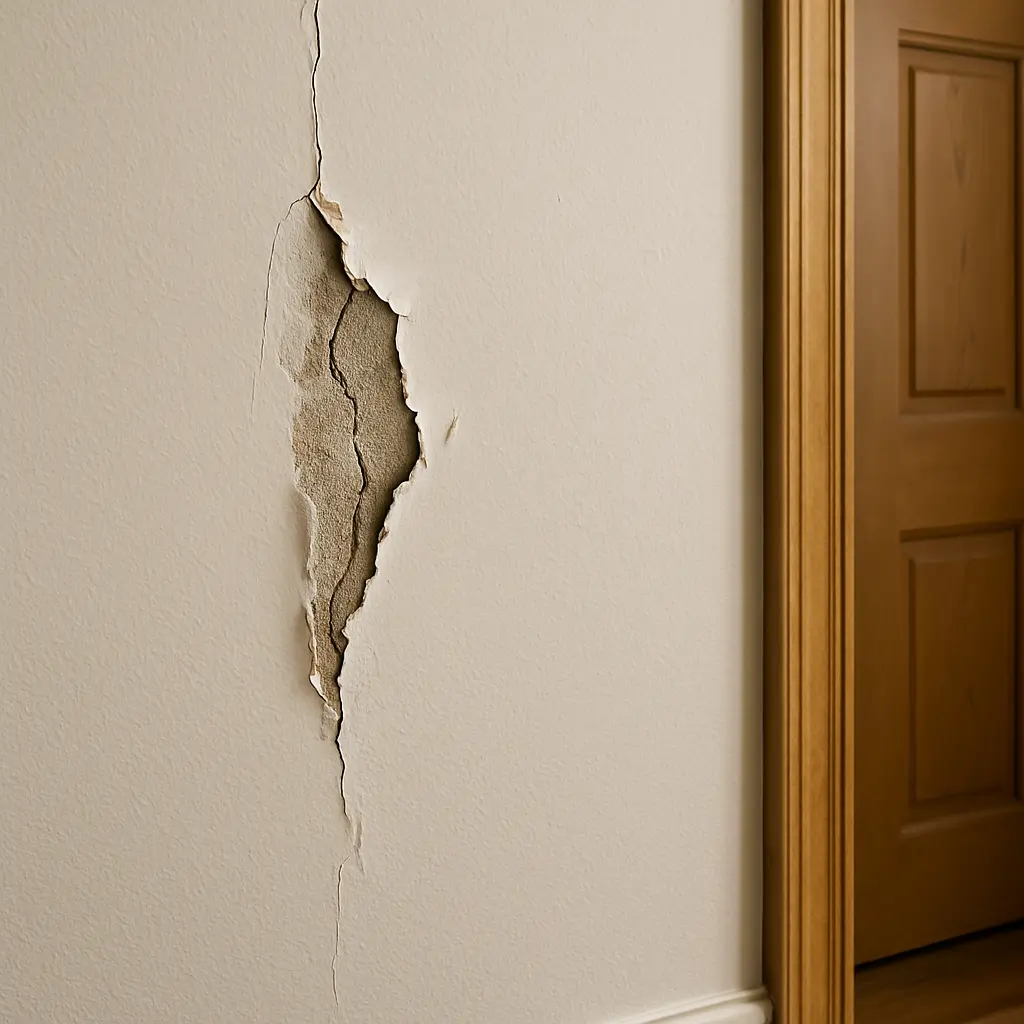
Paint, flooring, trim, and new fixtures can transform a room quickly, which makes them tempting places to start. But cosmetic work should not cover conditions that are still causing damage. A stain needs a source, a soft area needs an explanation, and a recurring crack deserves more attention than a coat of paint. When repair and remodeling overlap, the order of work matters as much as the final selections.
Separate symptoms from causes
A visible defect is not always the original problem. Peeling paint may follow moisture. Damaged flooring may trace back to a leak. A door that no longer operates smoothly can reflect movement, wear, hardware issues, or changes around the opening. Good home repair planning starts by asking what changed and when. That history can prevent spending money on a surface that will be damaged again.
Water problems move to the front of the list
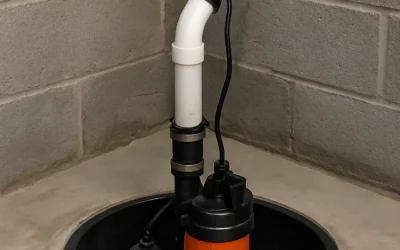
Active water entry, plumbing leaks, drainage concerns, and wet materials should generally be understood before decorative work proceeds. Water can travel and appear away from its source, so the obvious stain may not tell the whole story. In basements, sump and drainage performance can be part of that investigation; Loughman also offers pump and drainage work when those systems are involved.
Repair the substrate before the finish
Tile, flooring, cabinets, paint, and trim depend on the surfaces beneath them. If a wall, floor, or framing area is damaged, loose, or uneven because of an unresolved issue, the finish will inherit that problem. Correcting the underlying condition first gives the visible work a better foundation and reduces the chance of reopening a newly completed area.
Coordinate repairs with planned remodeling
Sometimes a repair is happening in a room that will soon be remodeled. In that case, think ahead so temporary work does not create unnecessary duplication. A repair still needs to make the home safe and functional, but material choices and access can be coordinated with the future project. Loughman’s broader remodeling services can help when the scope extends beyond an isolated fix.
Do not ignore small recurring signs
A small issue that repeatedly returns deserves more attention than its size suggests. Recurring caulk failure, repeated staining, a loose component that keeps moving, or a patch that cracks again may indicate that the previous repair addressed only the symptom. Keeping notes or photos can help show whether the condition is changing over time.
Protect completed work with the right sequence
Construction sequencing is practical protection. Work that creates dust, vibration, access holes, or material movement should be coordinated before delicate finishes whenever possible. That does not mean every project becomes a whole-house renovation. It means thinking through what has to be opened, repaired, tested, and closed so new work is not unnecessarily exposed to later disruption.
Make the house sound before making it pretty
Cosmetic updates are more satisfying when homeowners know the surfaces beneath them have been addressed. Prioritize active problems, understand recurring damage, and then invest in the visible improvements. Browse Loughman’s project portfolio for examples of repair and remodeling work, or contact Loughman Builders & Remodelers about repair needs in Belleville and the Metro-East.