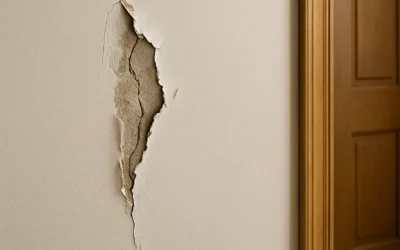
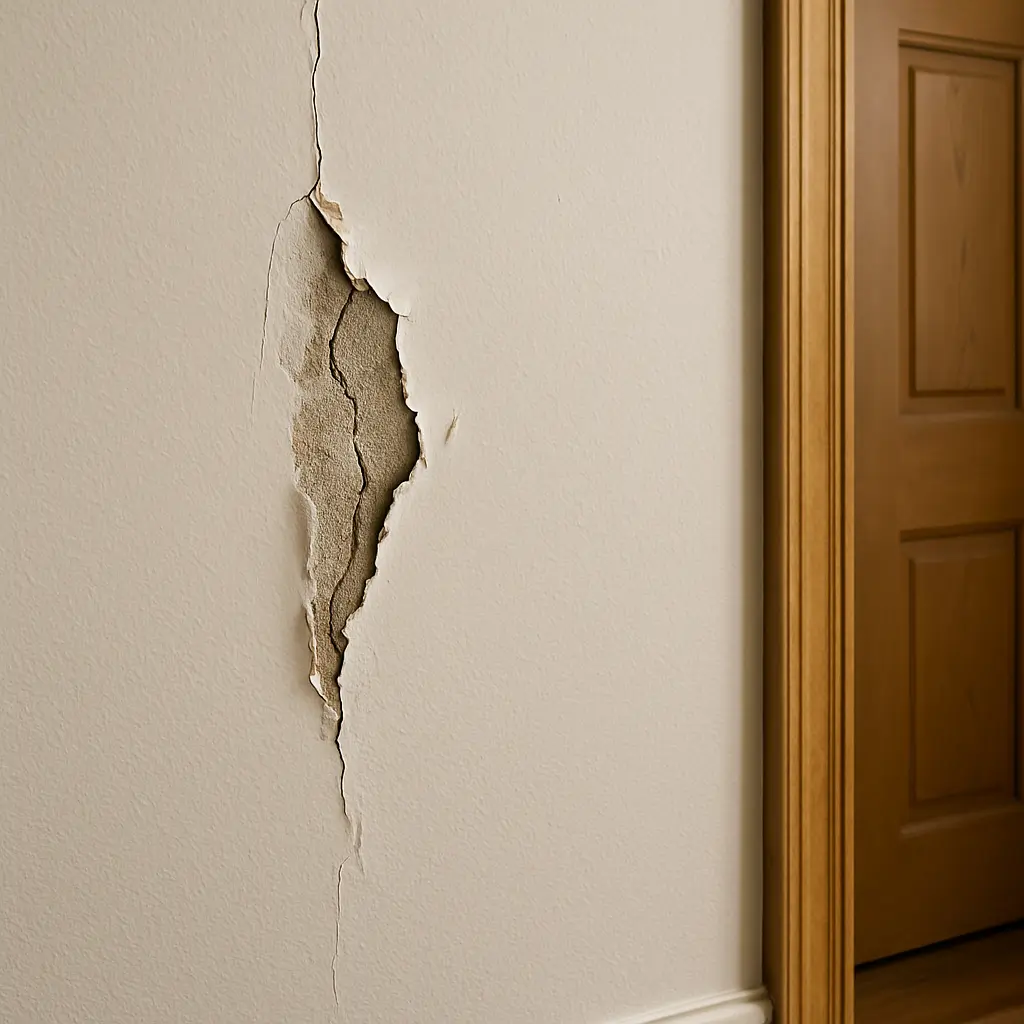
Baseboard sits at the bottom of the wall, which makes it one of the first finished materials to show evidence when water reaches the floor or wall edge. Swelling, staining, peeling paint, or soft material deserves investigation.
Start with the existing conditions
The visible trim may not reveal how far moisture traveled. Removing damaged material can expose the wall surface, flooring edge, or substrate behind it and help determine whether those areas also need attention.
Plan for everyday use
The source should be addressed before new trim is installed. Plumbing leaks, exterior moisture, wet flooring, or repeated cleaning-related exposure can create similar visible damage but require different solutions.
Coordinate the construction details
Replacement material should be selected to fit the existing profile and room. Matching height and shape helps the repair blend with adjacent trim instead of looking like an isolated patch.
Think beyond the visible finish
Wall and floor finishes may also need repair where damaged trim is removed. Planning the complete repair avoids installing new baseboard over a surface that is still compromised.
Bring the project together
Home repair is most effective when water-damaged trim is treated as evidence to investigate rather than simply as a decorative board that needs replacing.
For homeowners in Belleville and the Metro-East considering home repair, Loughman Builders & Remodelers can help evaluate the work as part of the existing home. Browse the project portfolio, read customer reviews, or contact Loughman Builders & Remodelers to discuss a project.