
Basement finishing changes the consequences of a water problem. A small seepage area in an unfinished basement may once have been an inconvenience. After walls, flooring, furniture, and storage are installed, the same water can damage a much larger investment. That makes drainage review an important early planning step.
Look for the basement’s history
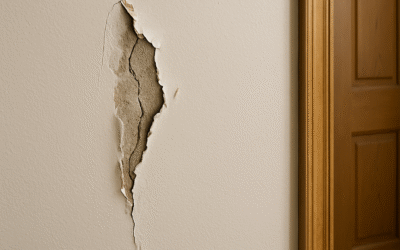
Staining, efflorescence, damp odors, patched cracks, rust marks, or discoloration can provide clues that water has been present before. Ask when it happened and under what weather conditions. A dry day during remodeling does not erase evidence from previous storms.
Understand where water goes
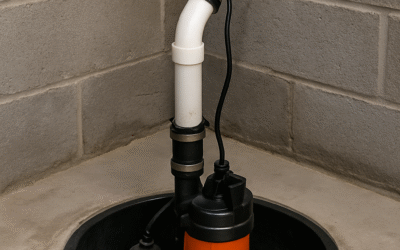
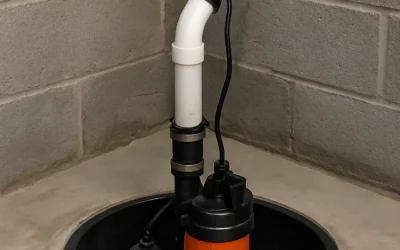
If the home uses a sump system, identify how water reaches the pit and where the pump sends it. Loughman’s pump and drainage services address this part of the home as a system rather than simply hiding visible moisture.
Keep the pump serviceable
Finished flooring, walls, closets, or built-ins should not make the sump difficult to reach. The equipment may need inspection or replacement in the future. Access can be planned without allowing the utility area to dominate the finished room.
Do not confuse finishes with waterproofing
New flooring or wall material can cover evidence temporarily, but it does not correct the source of water. Resolve active concerns before installing finishes that could conceal or trap moisture.
Coordinate drainage with the remodeling layout
If water management work and basement finishing are both planned, coordinating them can reduce duplicated work. Utility locations, walls, storage, and access can be designed with the drainage system in mind.
For basement drainage concerns in Belleville and the Metro-East, contact Loughman Builders & Remodelers before new finishes make the area harder to evaluate.