
Homes rarely develop problems one at a time. A homeowner may notice a ceiling stain, loose trim, damaged flooring, a sticking door, and an exterior issue within the same season. When several repairs compete for attention, prioritizing them can keep money from being spent twice.
Stop active damage first
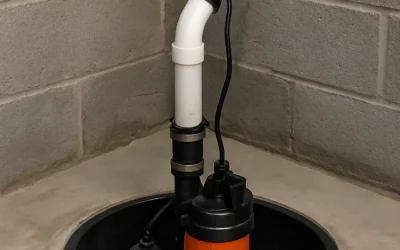
Anything allowing water to continue entering or damaging materials deserves early attention. Painting a stain or replacing swollen trim before the leak is corrected only hides the evidence temporarily. The same principle applies to drainage problems that continue exposing a basement or foundation area to water.
Separate causes from symptoms
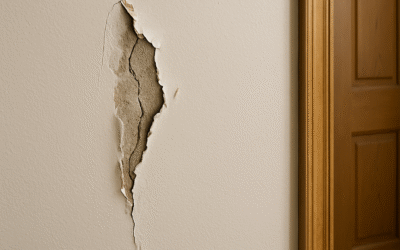
A crack, stain, or loose finish is a symptom. Before repairing the surface, ask what caused it. Movement, moisture, impact, age, or a failed connection may require different solutions. Loughman’s home repair services focus on correcting the underlying condition as well as restoring the finished area.
Protect safety and function
Loose railings, damaged steps, doors that no longer secure properly, and other functional problems should not be postponed simply because a cosmetic repair is more noticeable. Make the home safe and weather-resistant before concentrating on appearance.
Group related work when practical
If several repairs affect the same wall, room, or exterior area, coordinating them may reduce repeated demolition and finish work. A repair plan can also identify which items should wait until another task is complete.
Do not let small cosmetic work hide a larger project
Sometimes repeated patching is a sign that a space needs broader attention. That does not mean every repair should become a remodel. It means homeowners should understand whether the isolated fix is likely to last.
If water management is part of the problem, review Loughman’s pump and drainage services. For repair work in Belleville and the Metro-East, contact Loughman Builders & Remodelers.